OPD (Oxford Product Design)
OPD is a leading product design consultancy focused on the medical, industrial and consumer sectors.
Role
As a product designer within the engineering department at OPD I worked across multidisciplinary product development programmes, designing, building, and validating functional prototypes for medical and laboratory devices in lean R&D consultancy environments. In addition, I supported large improvements to the prototyping workshop operations improving day to day safety, efficiency and prototype quality.
Duties
› Prototyping
Quick iterative proactive concept builds and test rigs using a range of powered and manual tools
Mechanical and Electrical repair R&D
Range of prototype fidelity from concept block models to fully functional alpha devices.
Prototyping with optical components
Trouble shooting design challenges
Mechanical and Electrical repair R&D
Range of prototype fidelity from concept block models to fully functional alpha devices.
Prototyping with optical components
Trouble shooting design challenges
› CAD
Quick proof of concept designs
Detailed assembles for whole devices
Precise models for external manufacturing
Detailed assembles for whole devices
Precise models for external manufacturing
› Modelmaking
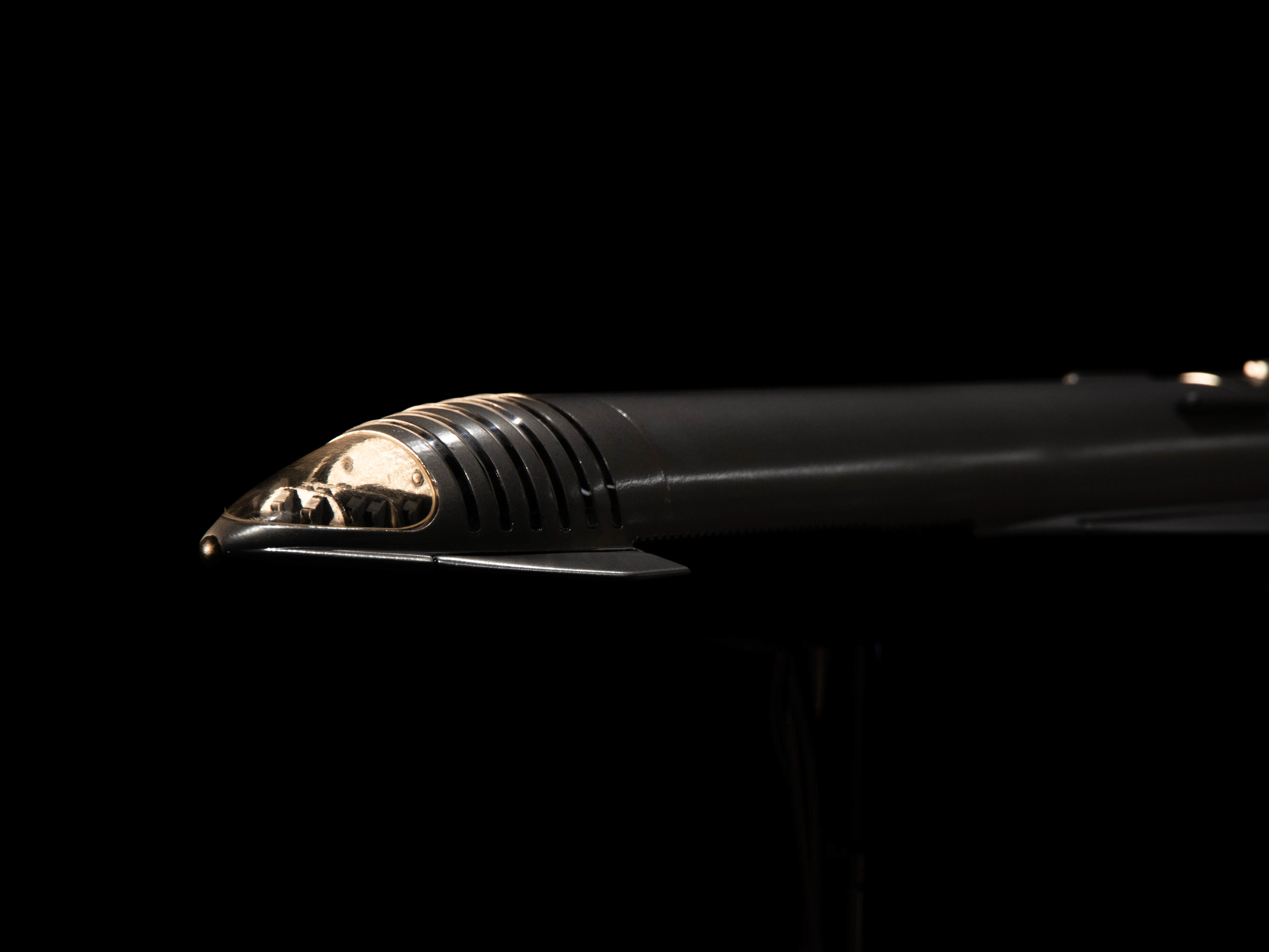
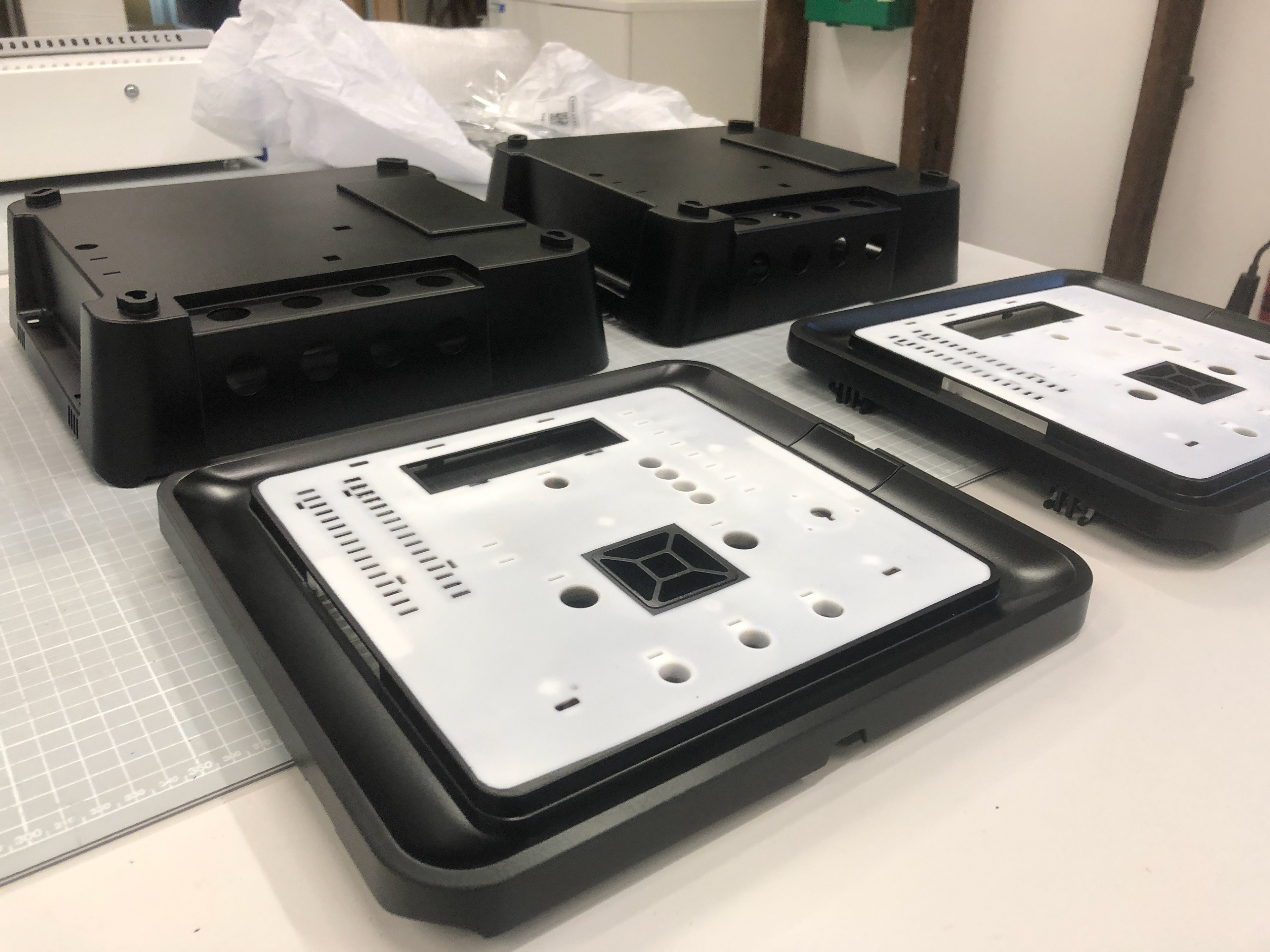
Form block model prototyping
Paint Finishing
Paint Finishing
› Electrical integration
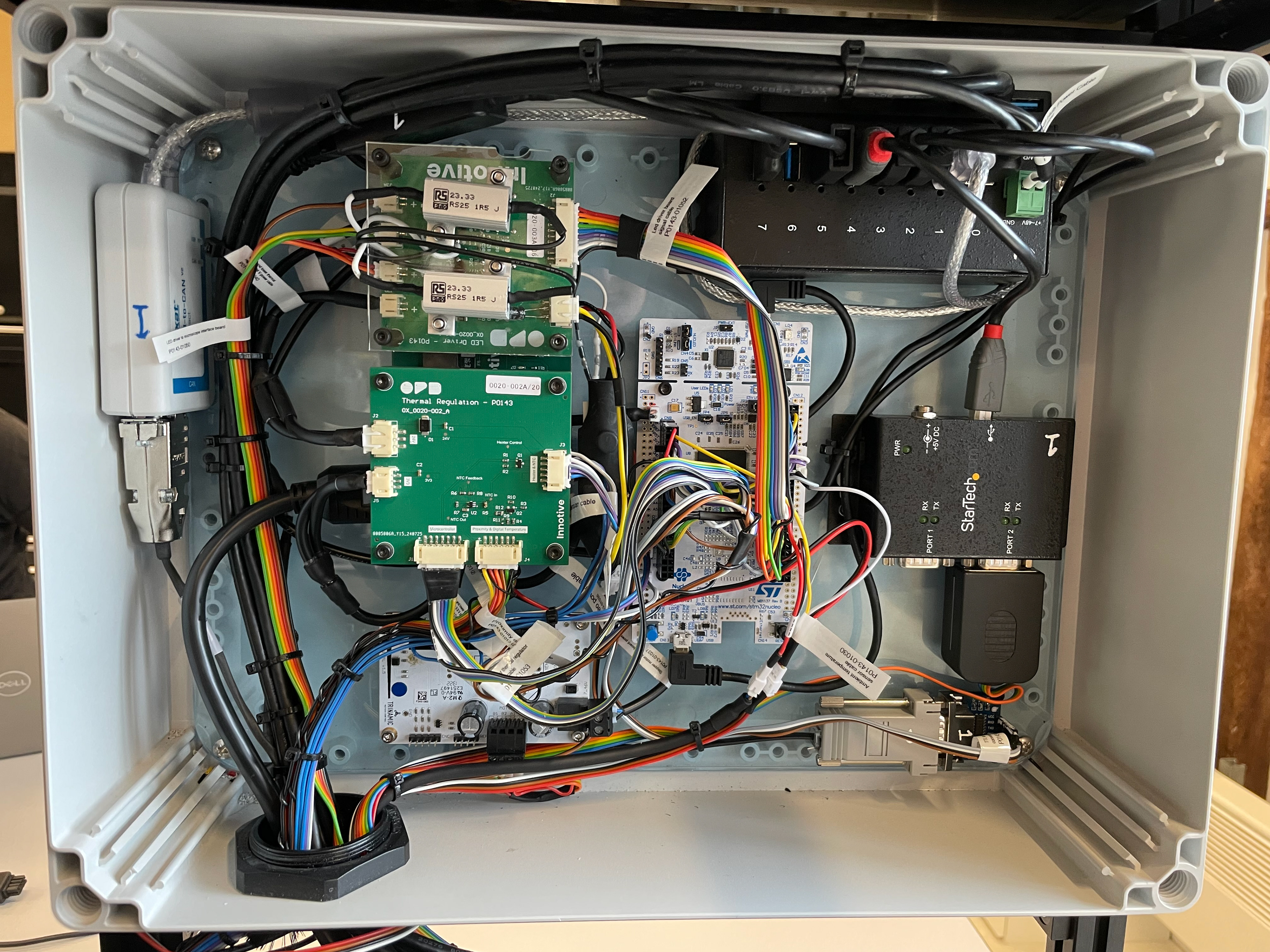
Wiring harness design and build
Arduino coding and wiring
Designing, building and programming control board for functional porotypes
PCB rework
Verification using oscilloscope and logic analyser
Arduino coding and wiring
Designing, building and programming control board for functional porotypes
PCB rework
Verification using oscilloscope and logic analyser
› Test and Validation
Writing test plans and documentation
Conducting testing in a workshop and laboratory environment
Alpha device verification
Exposing bacteria to different waves lengths over time
Creating and using databases
Analyses and present data
Conducting testing in a workshop and laboratory environment
Alpha device verification
Exposing bacteria to different waves lengths over time
Creating and using databases
Analyses and present data
Projects
Vial Seal Verification Device
Problem
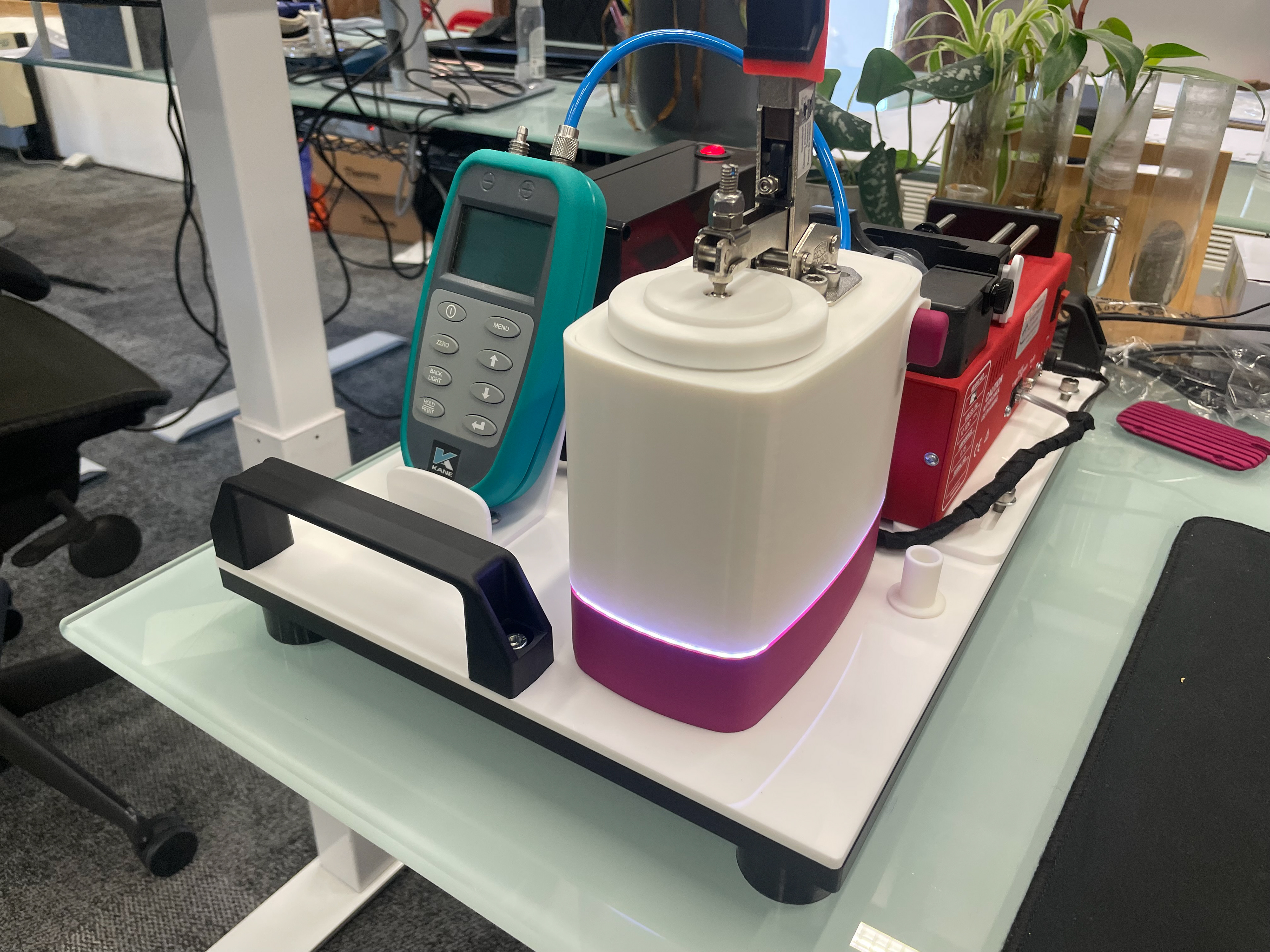
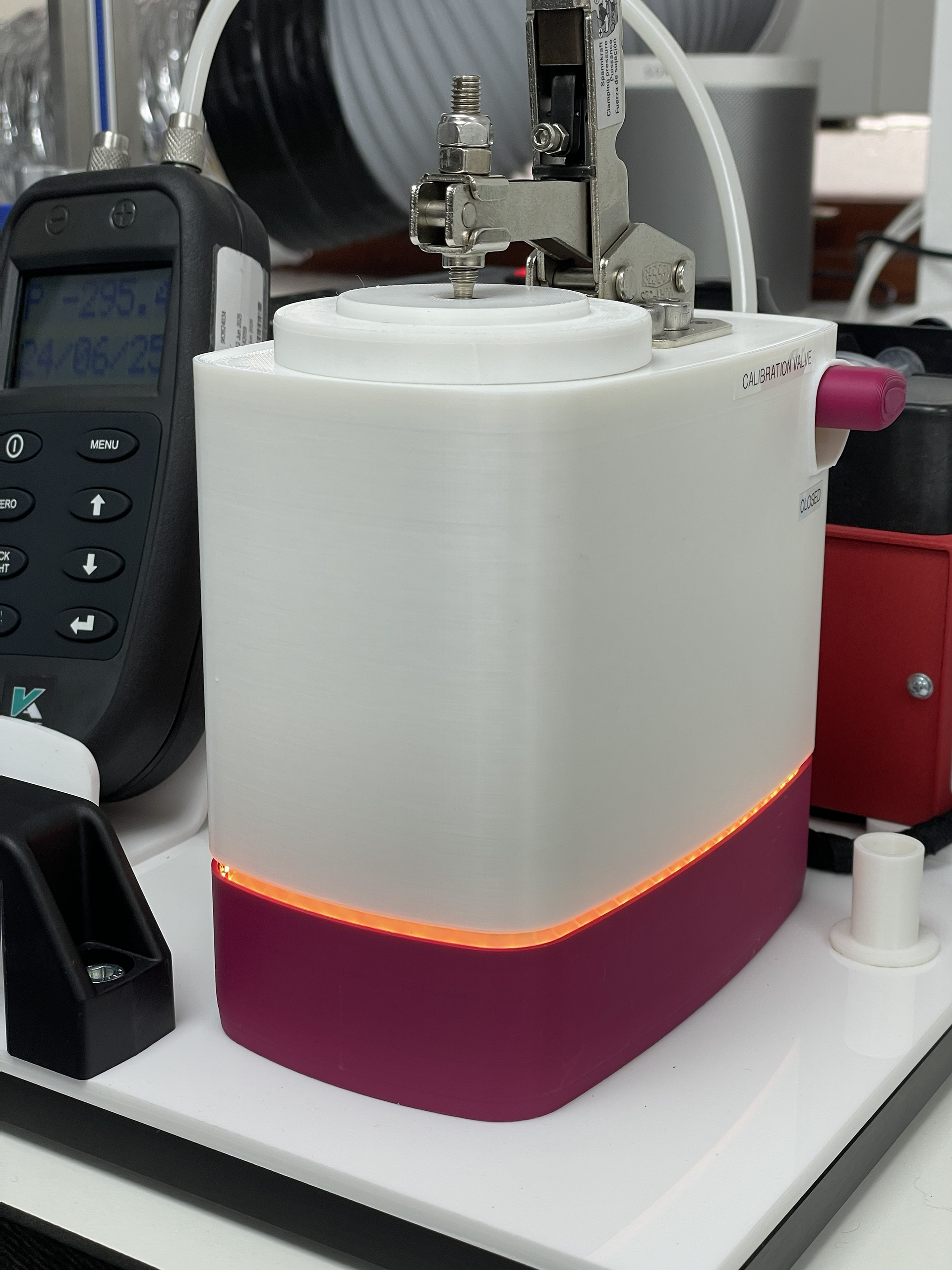
Client required a device to verify the integrity of sealed blood sample vials prior to shipping, ensuring reliability under transport conditions. I independently designed the device from concept to delivery, including mechanical design, electronics, control systems, and validation.
Client required a device to verify the integrity of sealed blood sample vials prior to shipping, ensuring reliability under transport conditions. I independently designed the device from concept to delivery, including mechanical design, electronics, control systems, and validation.
Approach
› Calculated worst-case conditions to define target pressure thresholds
› Developed a vacuum-based pressure decay system to detect leaks via pressure differential
› Designed a semi-automated operation and calibration using Arduino, syringe pump, and Python interface
› Integrated independently calibrated pressure sensor for validation › Created user interface with LED feedback for pass/fail operation
› Calculated worst-case conditions to define target pressure thresholds
› Developed a vacuum-based pressure decay system to detect leaks via pressure differential
› Designed a semi-automated operation and calibration using Arduino, syringe pump, and Python interface
› Integrated independently calibrated pressure sensor for validation › Created user interface with LED feedback for pass/fail operation
Challenge
› Detecting small leaks non destructively, required minimising chamber air volume to increase sensitivity
› Designing a mechanism to remove vials without increasing dead volume
› Ensuring accuracy and repeat-ability for reliable client validation
› Detecting small leaks non destructively, required minimising chamber air volume to increase sensitivity
› Designing a mechanism to remove vials without increasing dead volume
› Ensuring accuracy and repeat-ability for reliable client validation
Build › Iterative development from sketches to 3D printed prototypes and final assembly › Produced CAD models and managed external manufacture + in-house fabrication › Integrated electronics (pressure sensor, Arduino, LEDs)
Testing
› Verified system performance through repeated pressure testing and calibration checks
› Verified system performance through repeated pressure testing and calibration checks
Outcome
› Developed a functional semi-automated pressure decay system using a range on engineering skills
› Successfully delivered to client, meeting all functional requirements included CSV data logging for analysis
› Praised for ease of use and clarity for non-engineering users
› Developed a functional semi-automated pressure decay system using a range on engineering skills
› Successfully delivered to client, meeting all functional requirements included CSV data logging for analysis
› Praised for ease of use and clarity for non-engineering users
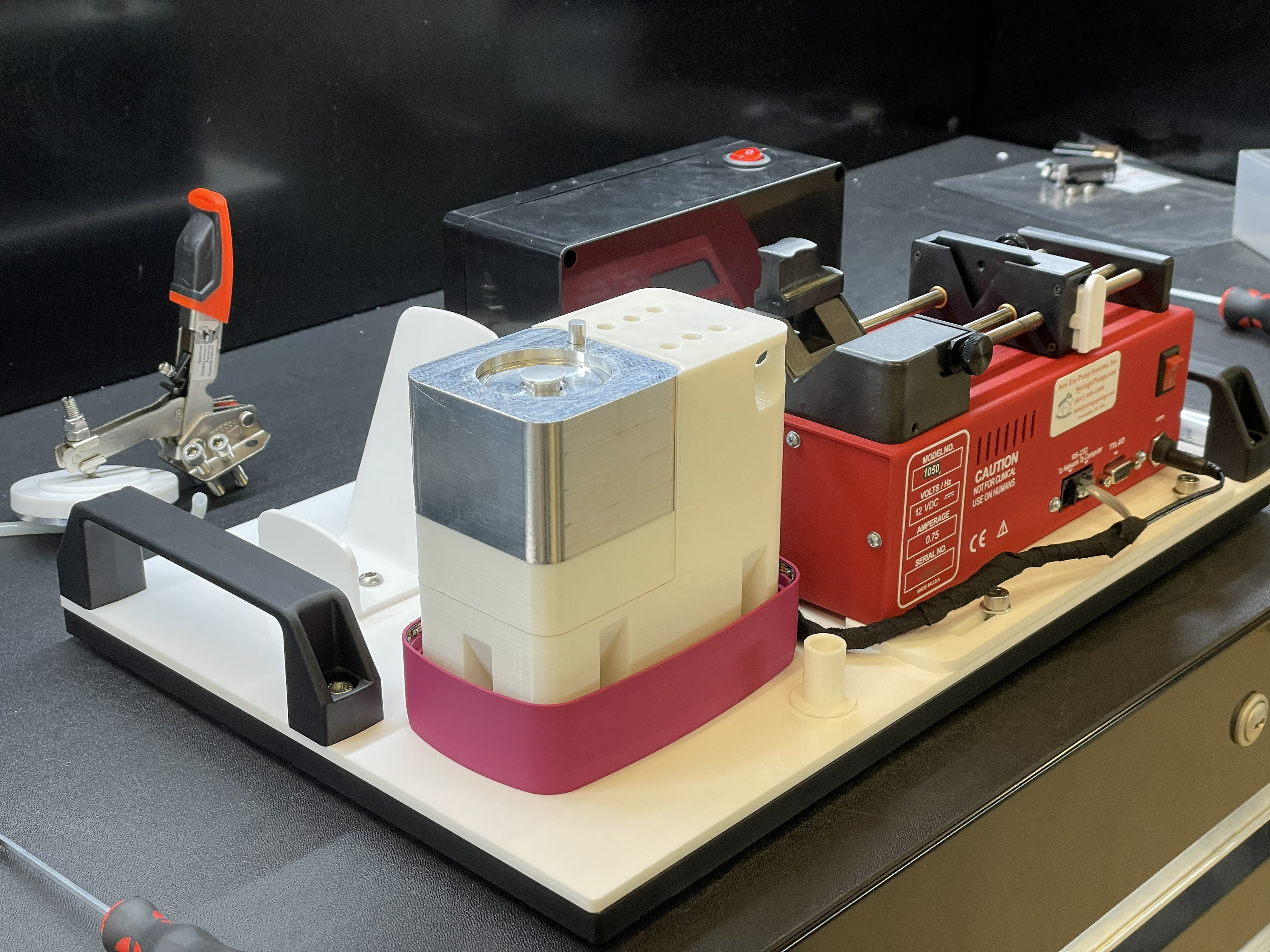
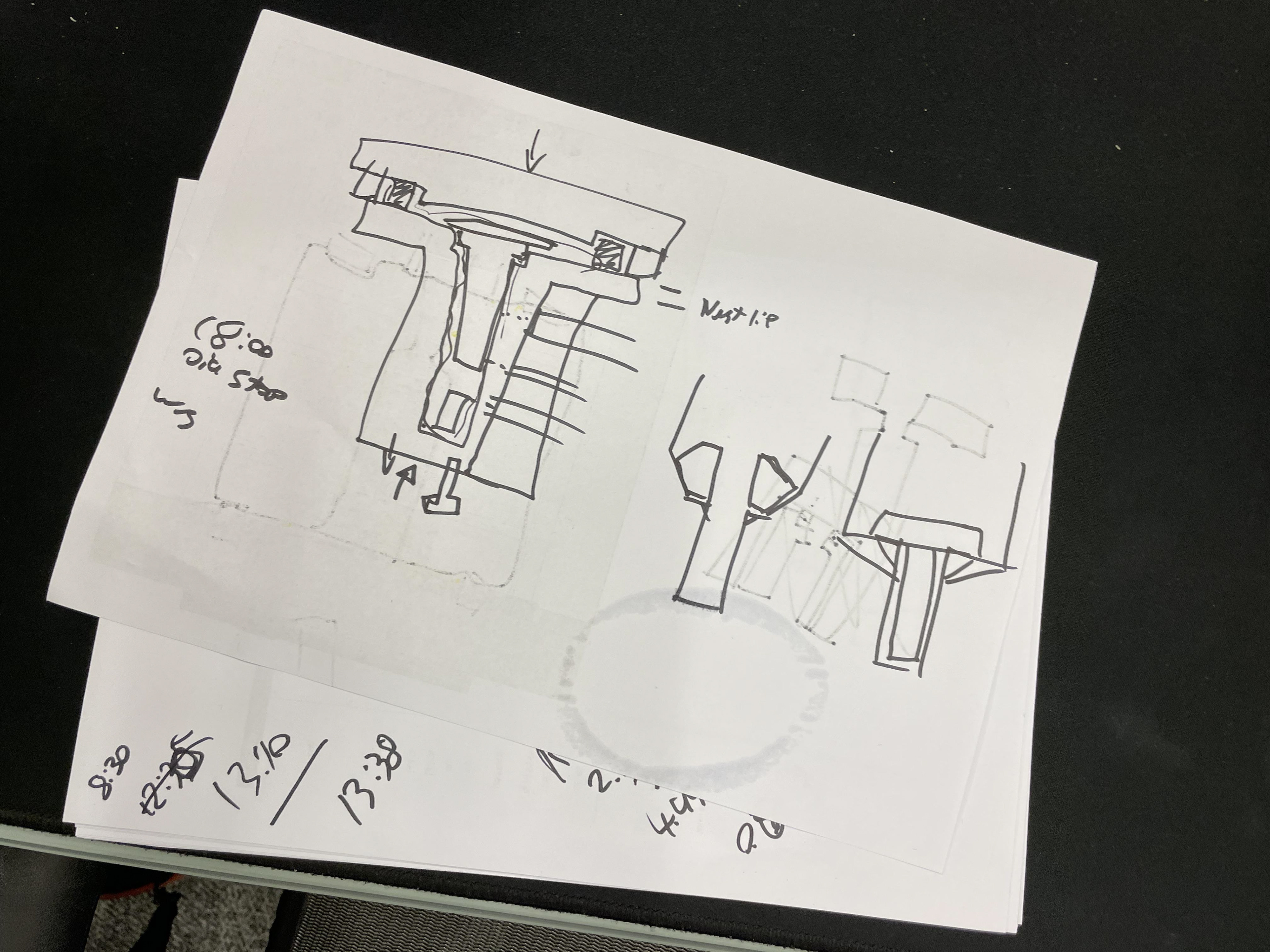
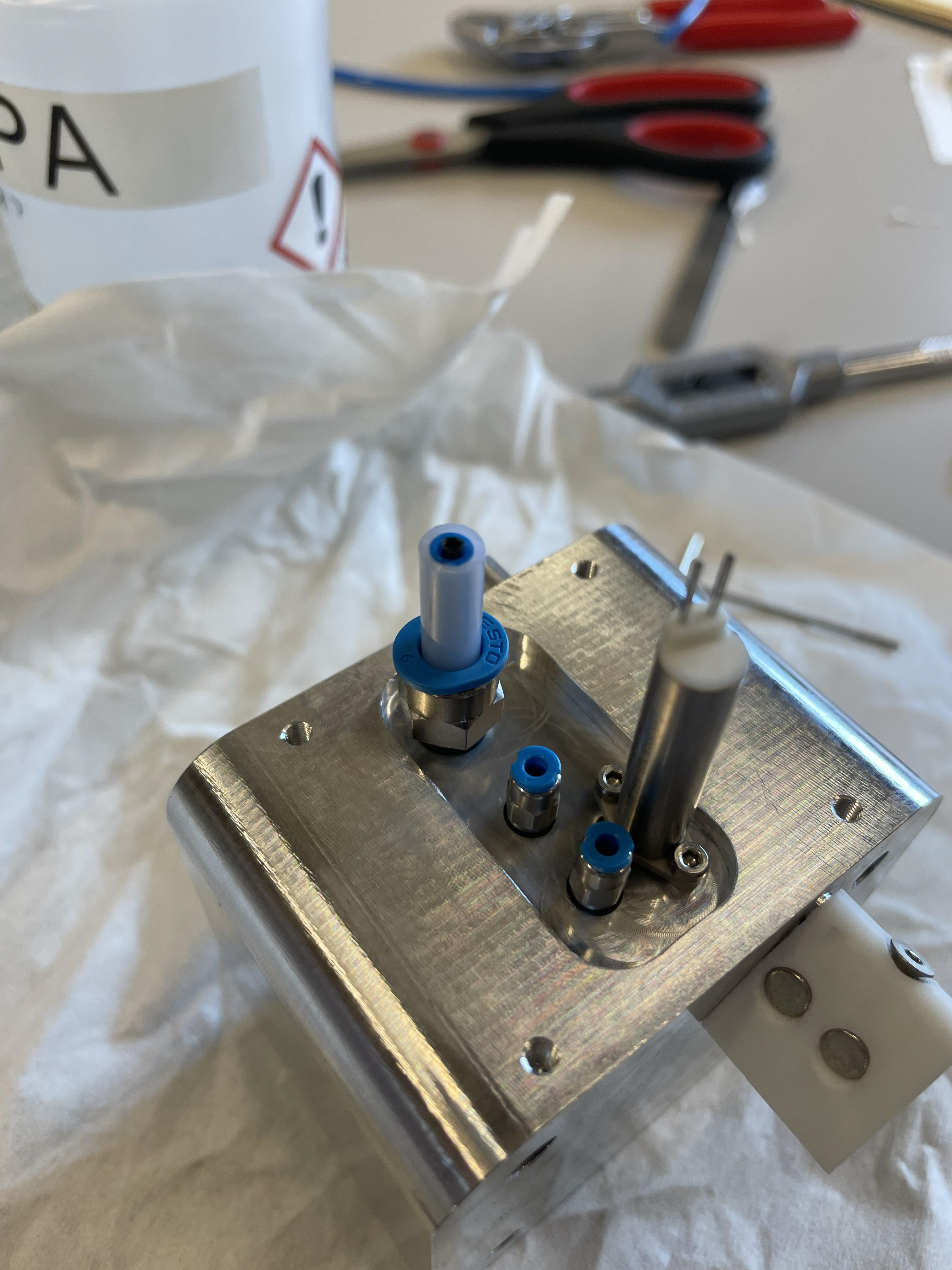
Vial ejection mechanism using magnets
Wavelength & Intensity Testing of Bacterial Growth
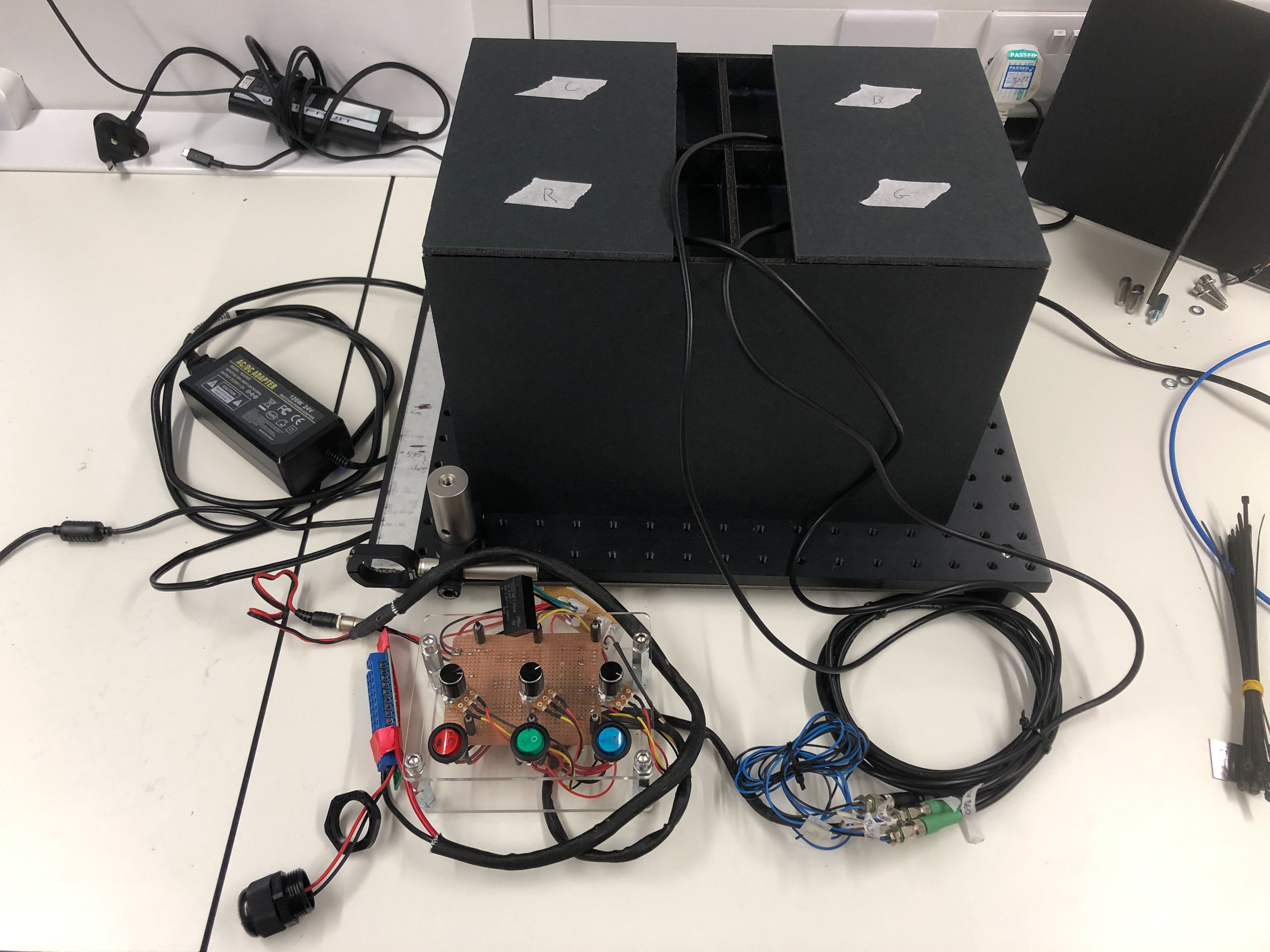
This project involved developing an early-stage test rig to investigate how bacterial growth is affected by different light wavelengths and intensities. The work formed a critical foundation for a larger device, requiring reliable and repeatable data from a relatively simple experimental setup.
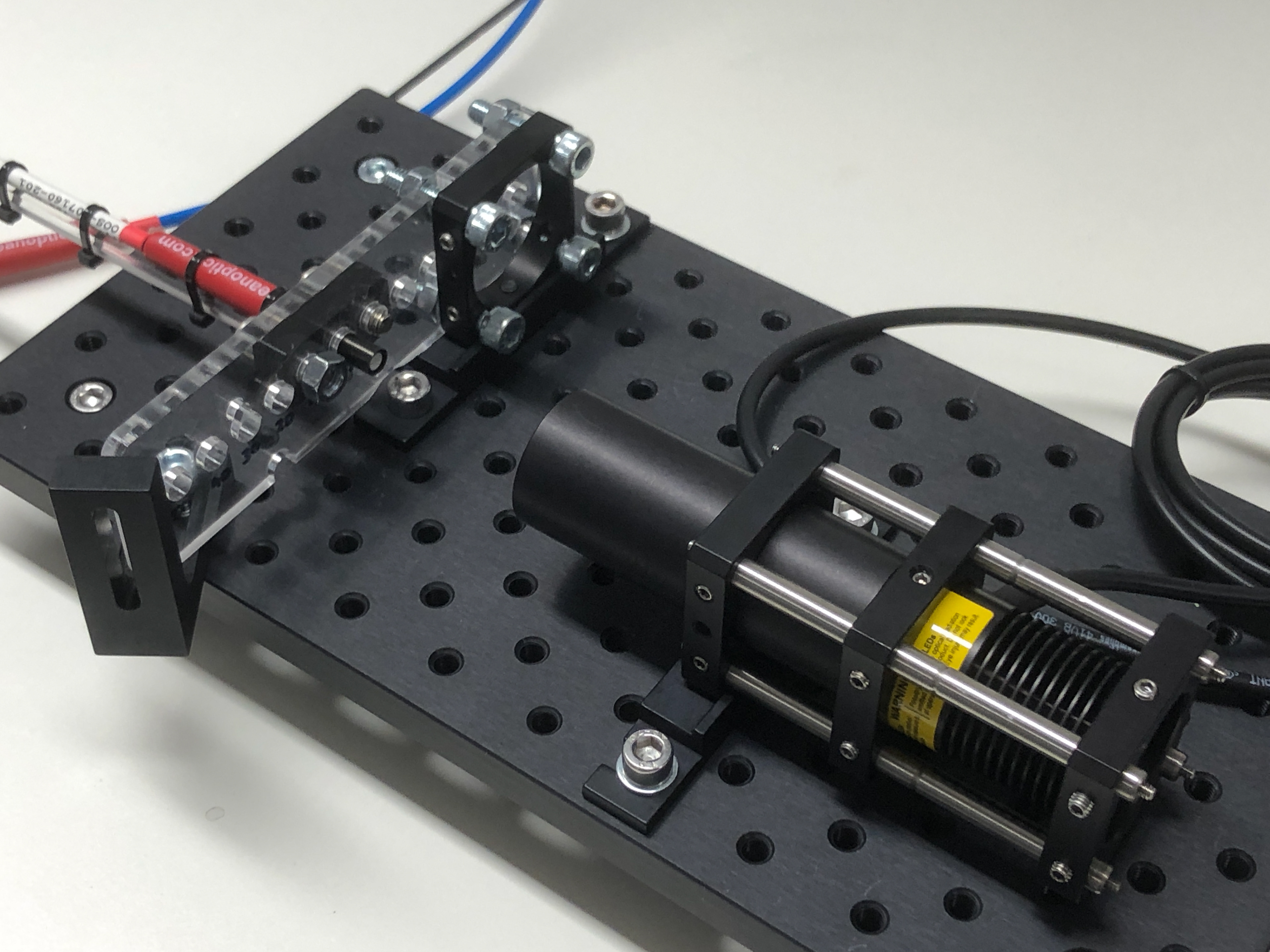
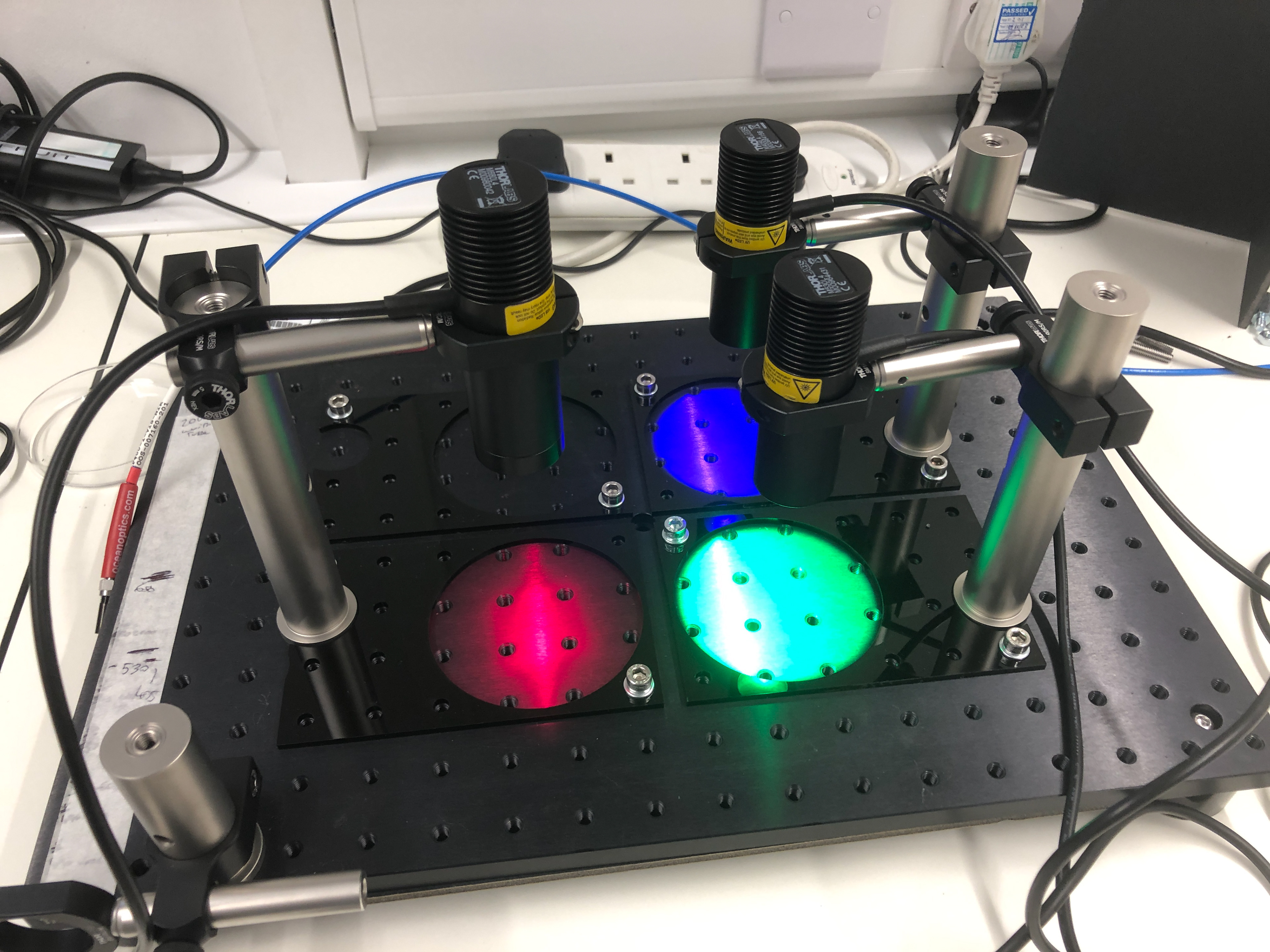
I was responsible for designing and building these test rigs, enabling controlled comparison of multiple LED light sources. A key challenge was obtaining quantifiable and consistent data, so I used a spectrometer to map wavelength and intensity distribution across the test area, so we could account for uneven light exposure across petri dishes.
I then built a simple rig capable of testing three light sources simultaneously, allowing parallel testing on the same bacterial sample. This enabled accurate, comparable results, supporting the team’s analysis and informing design decisions for the wider project.
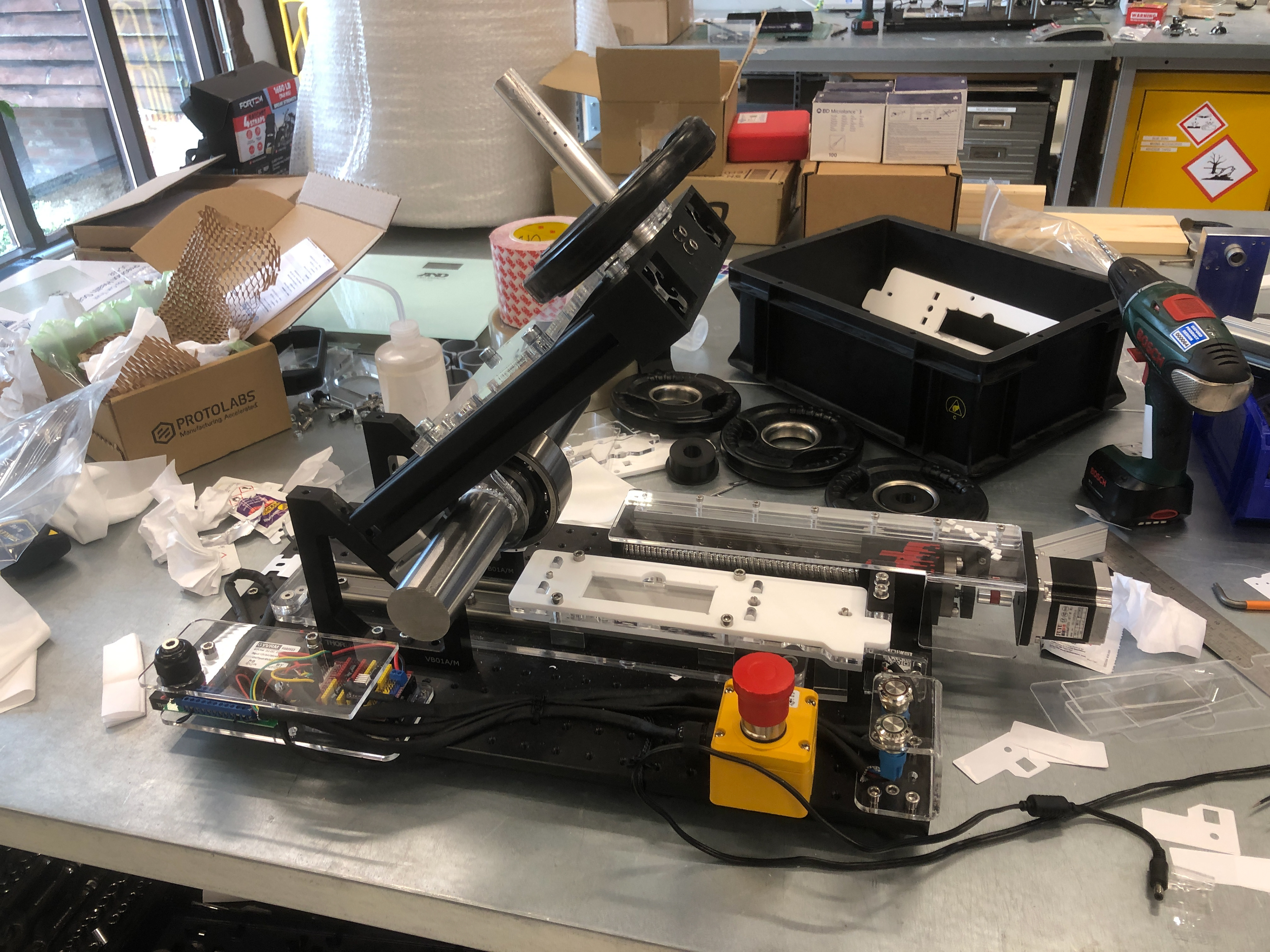
Assembly Line Jig
Problem
› Manual assembly process for microfluidic diagnostic consumables was slowing production
› Operators placed small disks into tight slots using tweezers under sterile conditions
› Tasked with improving efficiency, I designed, built, and integrated a dispensing rig
› Manual assembly process for microfluidic diagnostic consumables was slowing production
› Operators placed small disks into tight slots using tweezers under sterile conditions
› Tasked with improving efficiency, I designed, built, and integrated a dispensing rig
Challenges
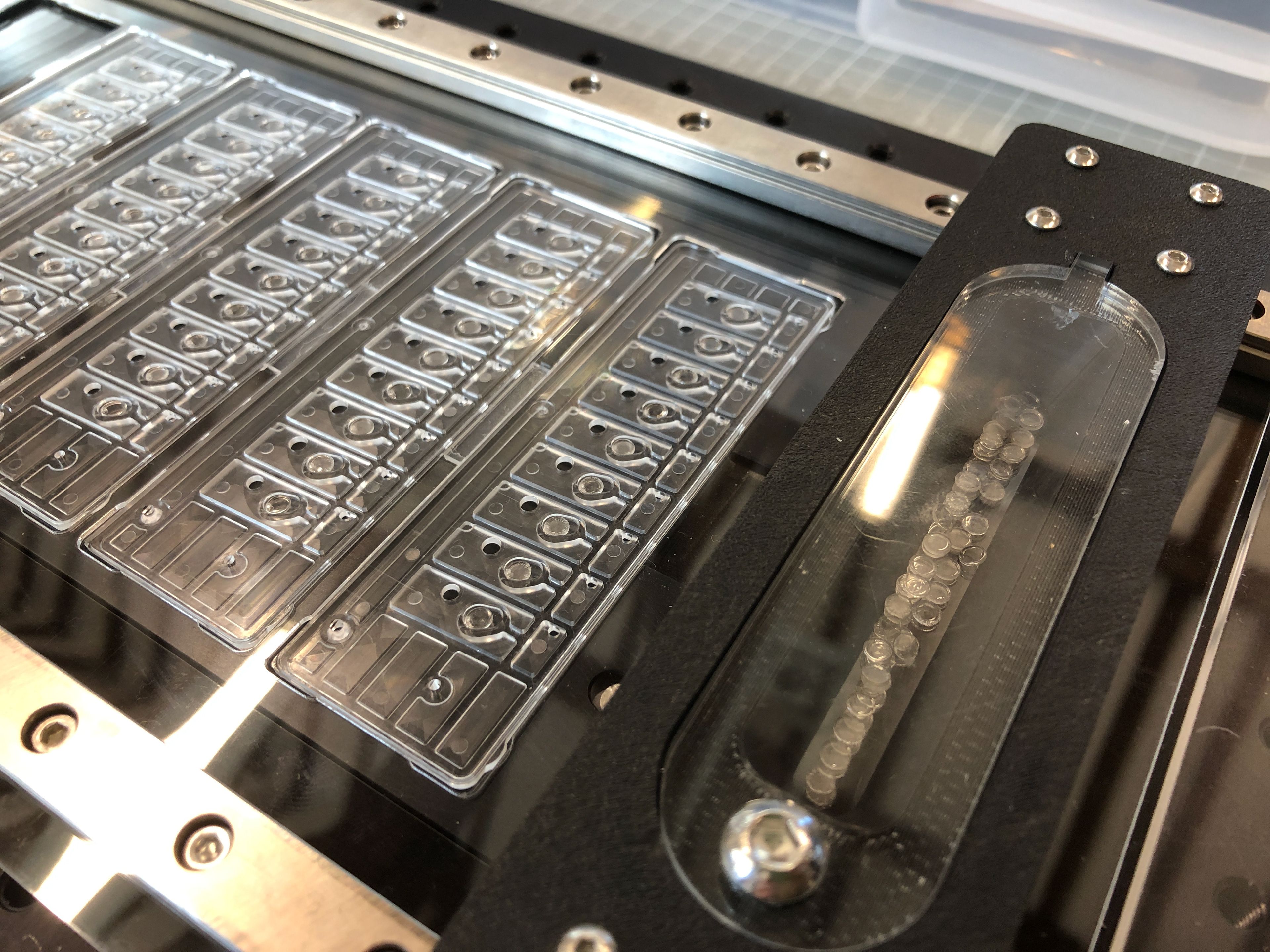
› Iteratively prototyped mechanisms to refine reliability and usability
› Optimised tight clearances to prevent disks jamming or misalignment
› Developed a removable, self-aligning hopper to allow quick clearing without recalibration
› Iteratively prototyped mechanisms to refine reliability and usability
› Optimised tight clearances to prevent disks jamming or misalignment
› Developed a removable, self-aligning hopper to allow quick clearing without recalibration
Outcome
› Final system enabled simple operation: load hopper, position tray, and dispense via manual pass
› Successfully integrated into production, achieved 5× increase in throughput while maintaining sterile requirements
› Final system enabled simple operation: load hopper, position tray, and dispense via manual pass
› Successfully integrated into production, achieved 5× increase in throughput while maintaining sterile requirements
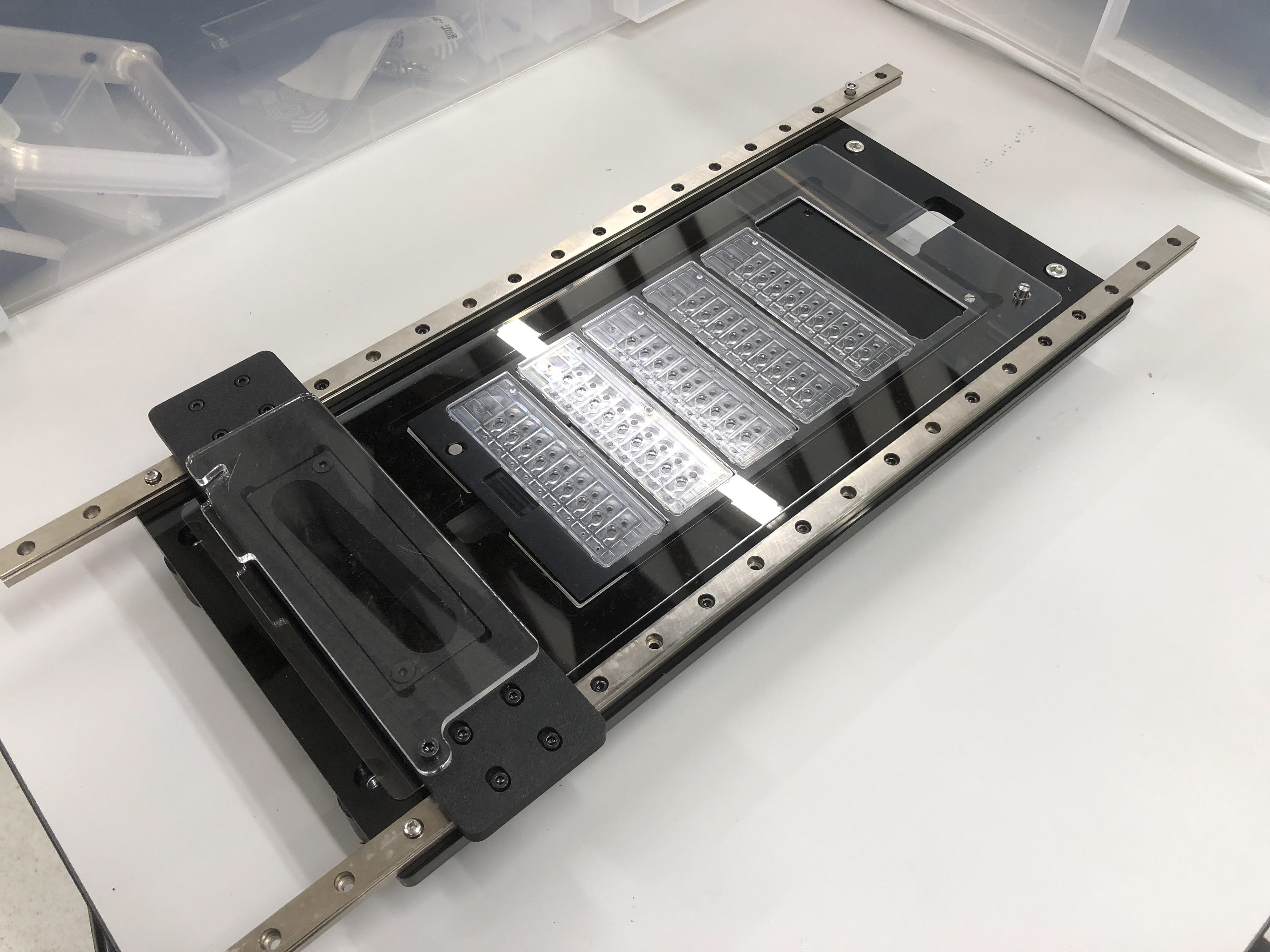
Adopted concept - spills disks easily
My working developed protoype design - no disks wasted and easy to use
Assembly Line Rig
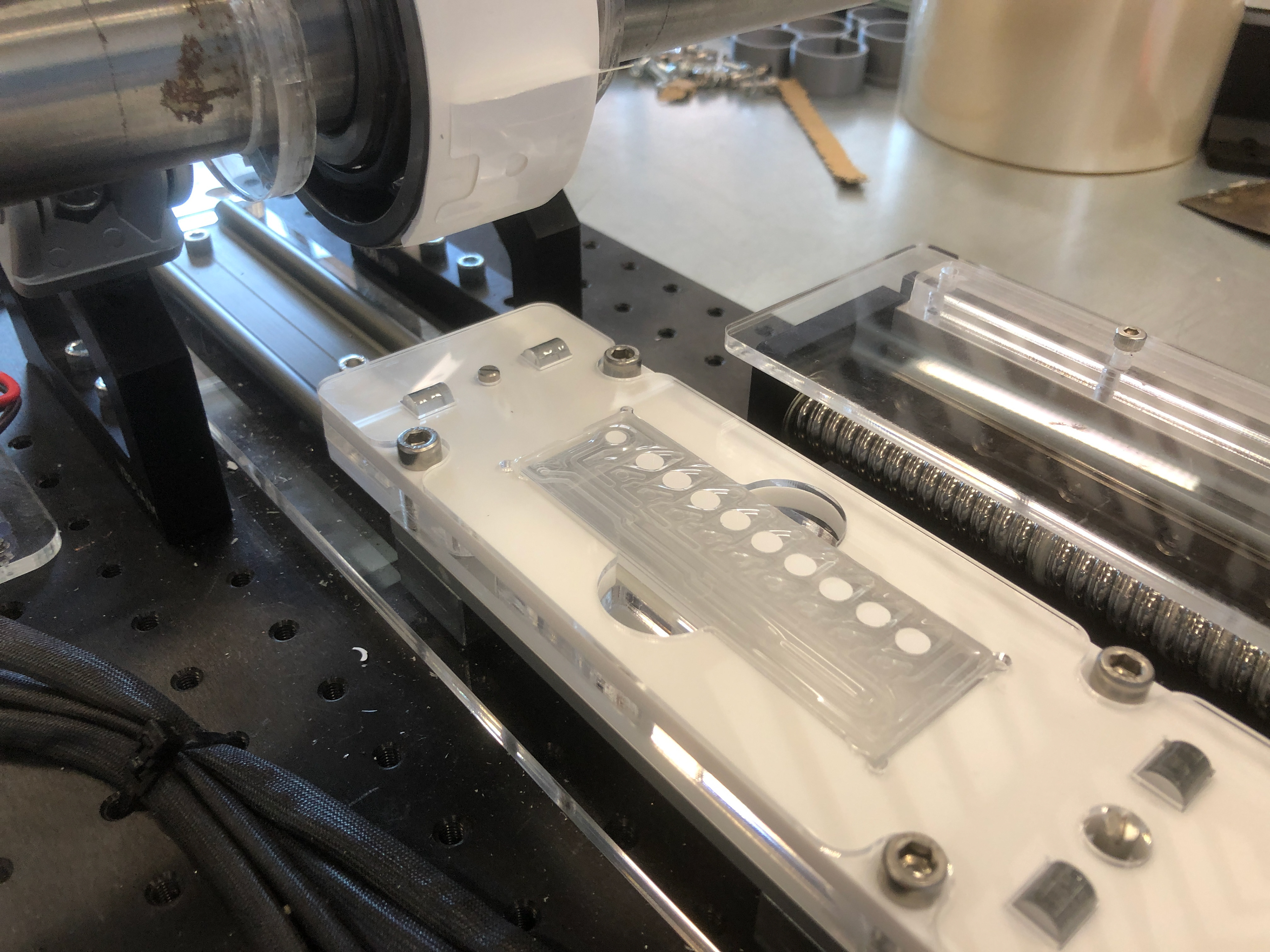
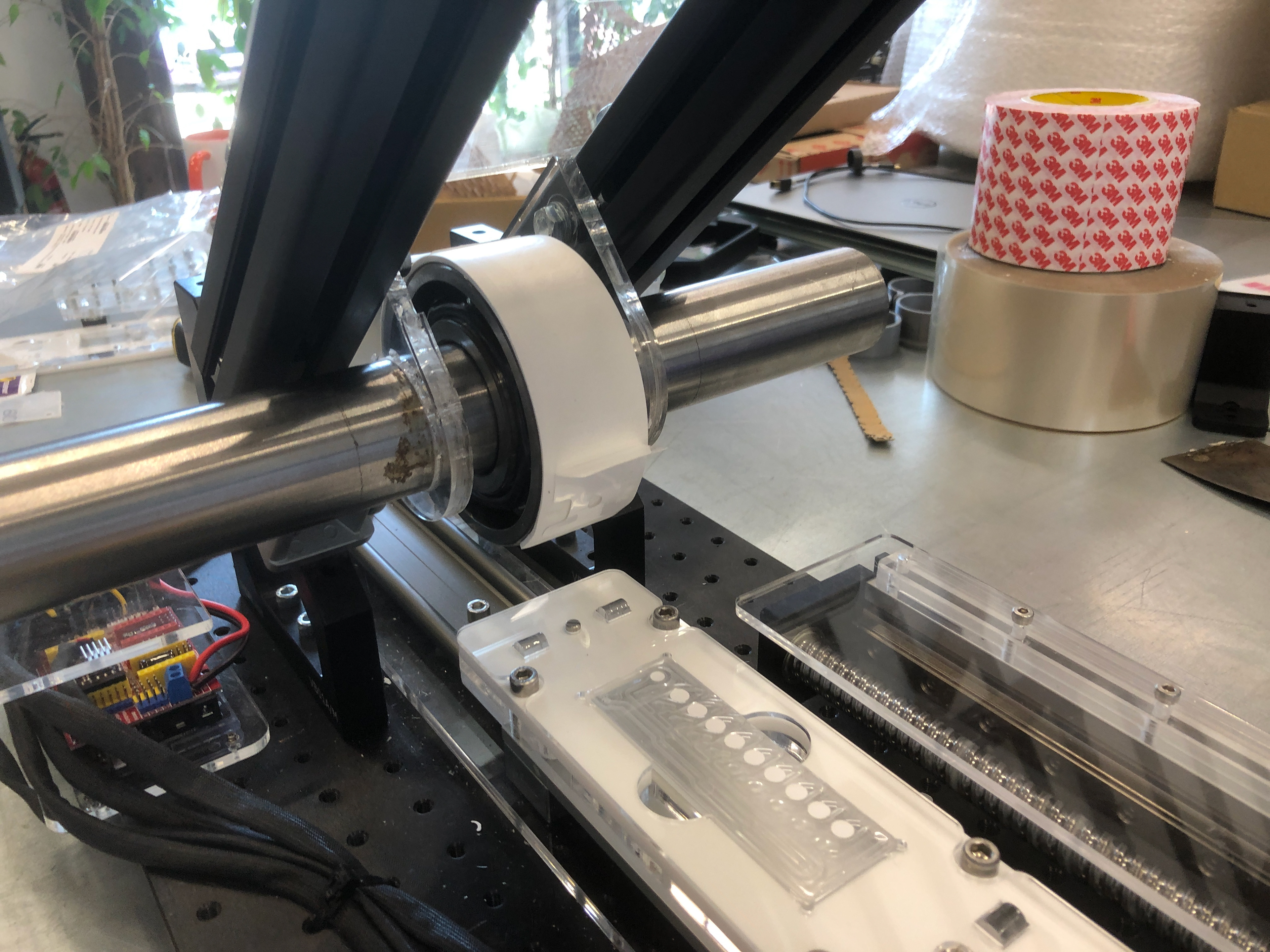
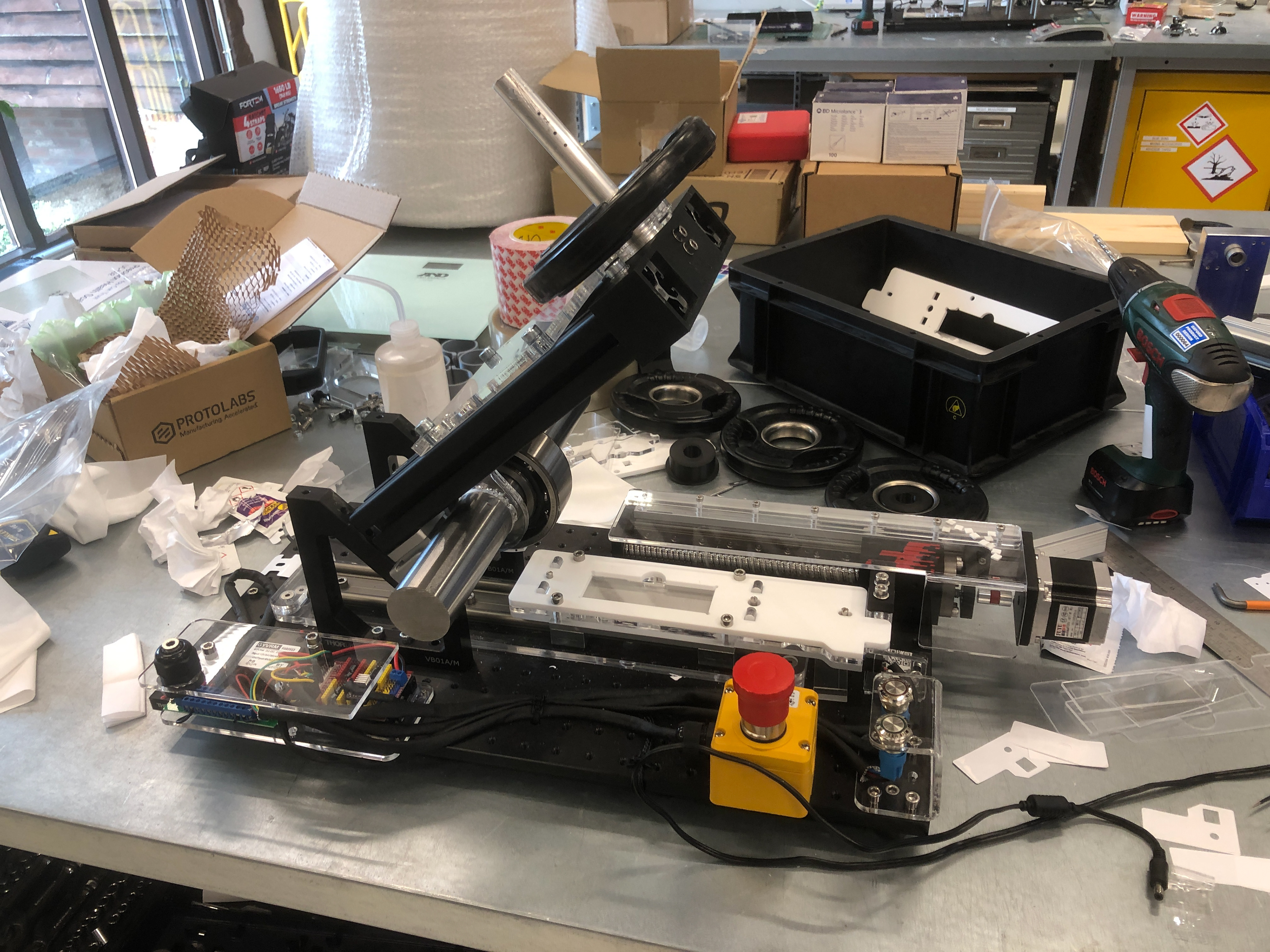
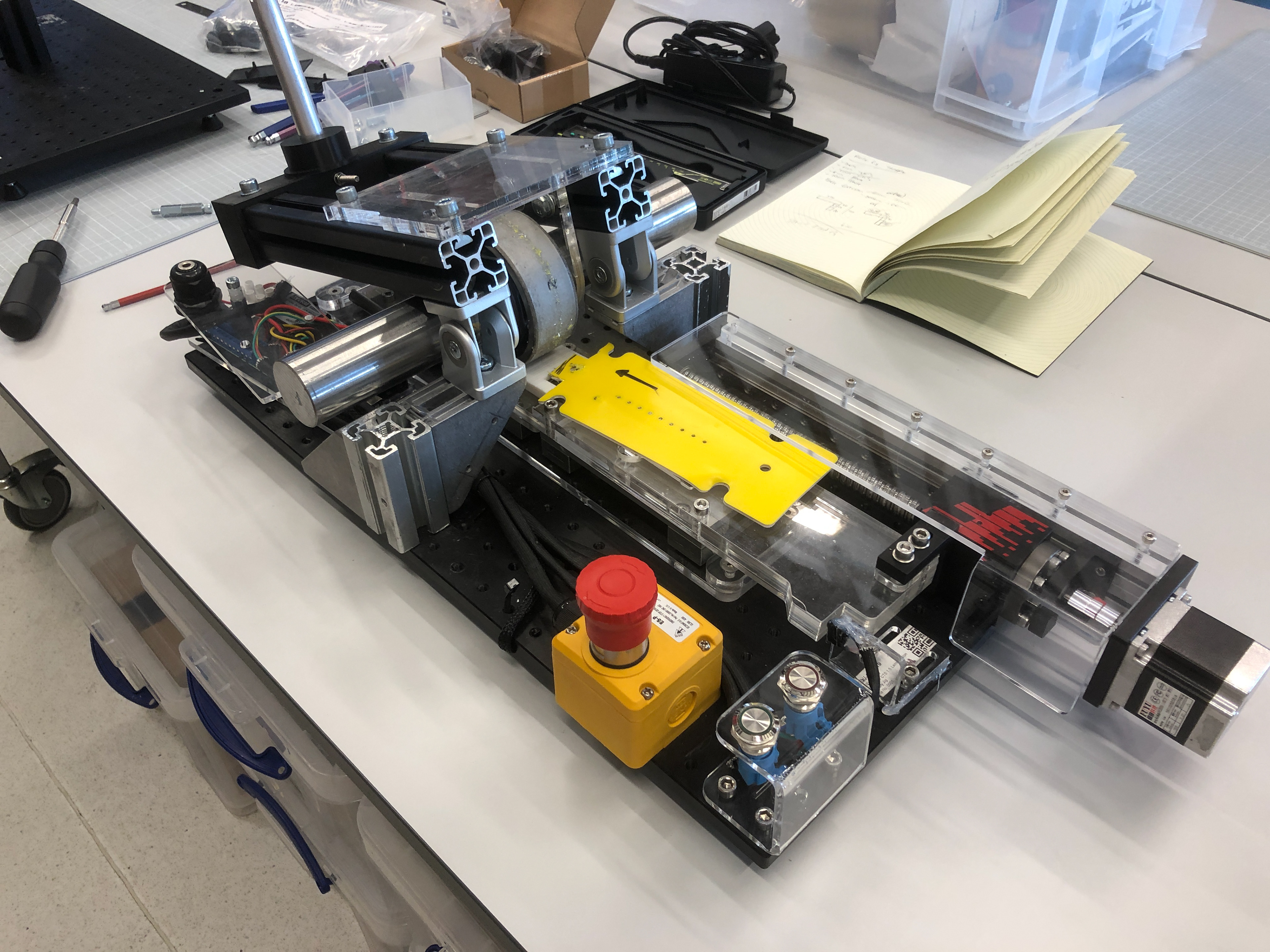
Upgraded an existing lamination rig used in the assembly of diagnostic consumables to improve reliability, usability, and presentation. Developed by applying CAD and mechanical principles to optimise geometry, moving the rolling bearing closer to the pivot and adding a weight further from the pivot. This improved force application during lamination while making the system easier to operate and access.
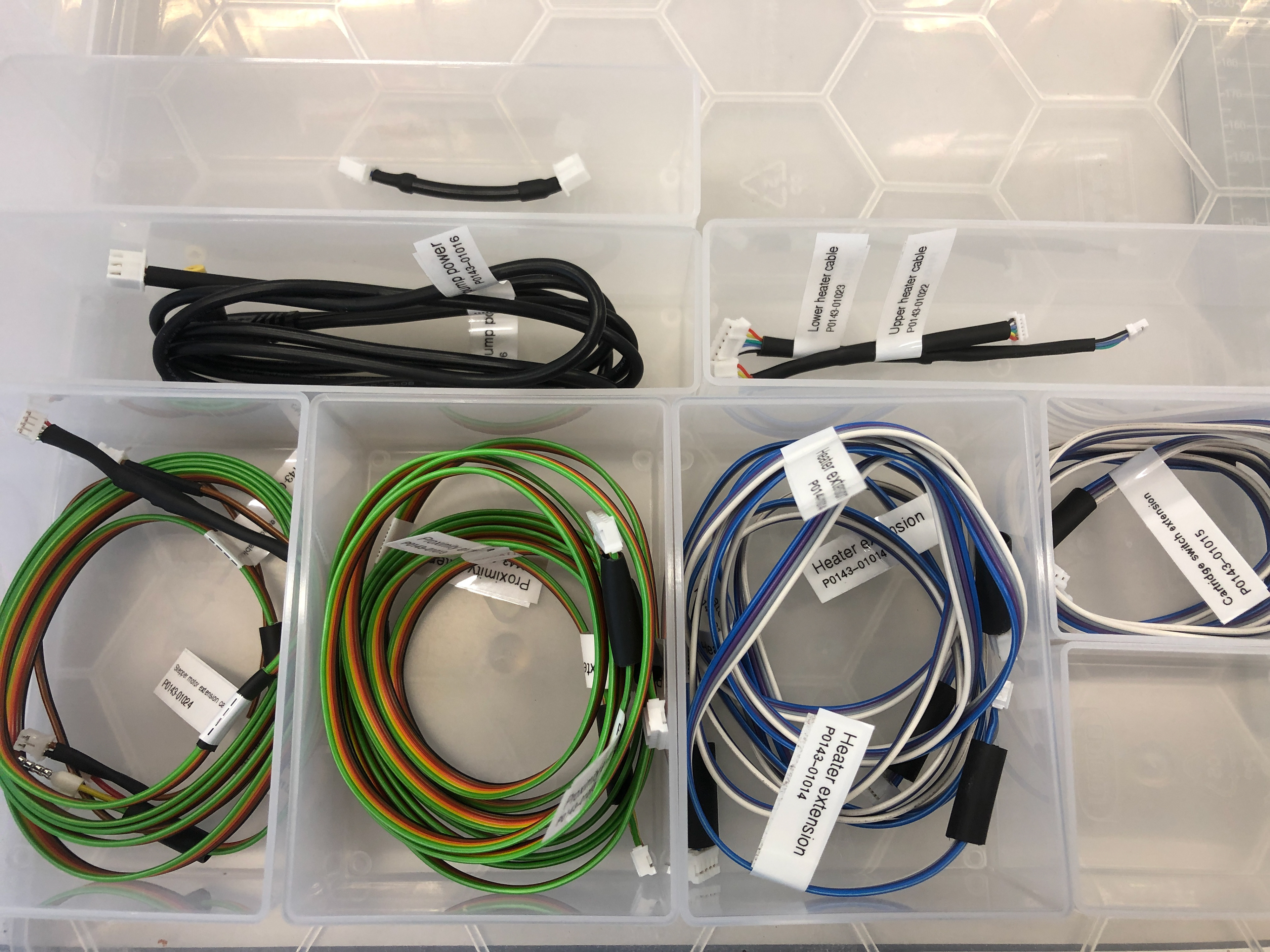
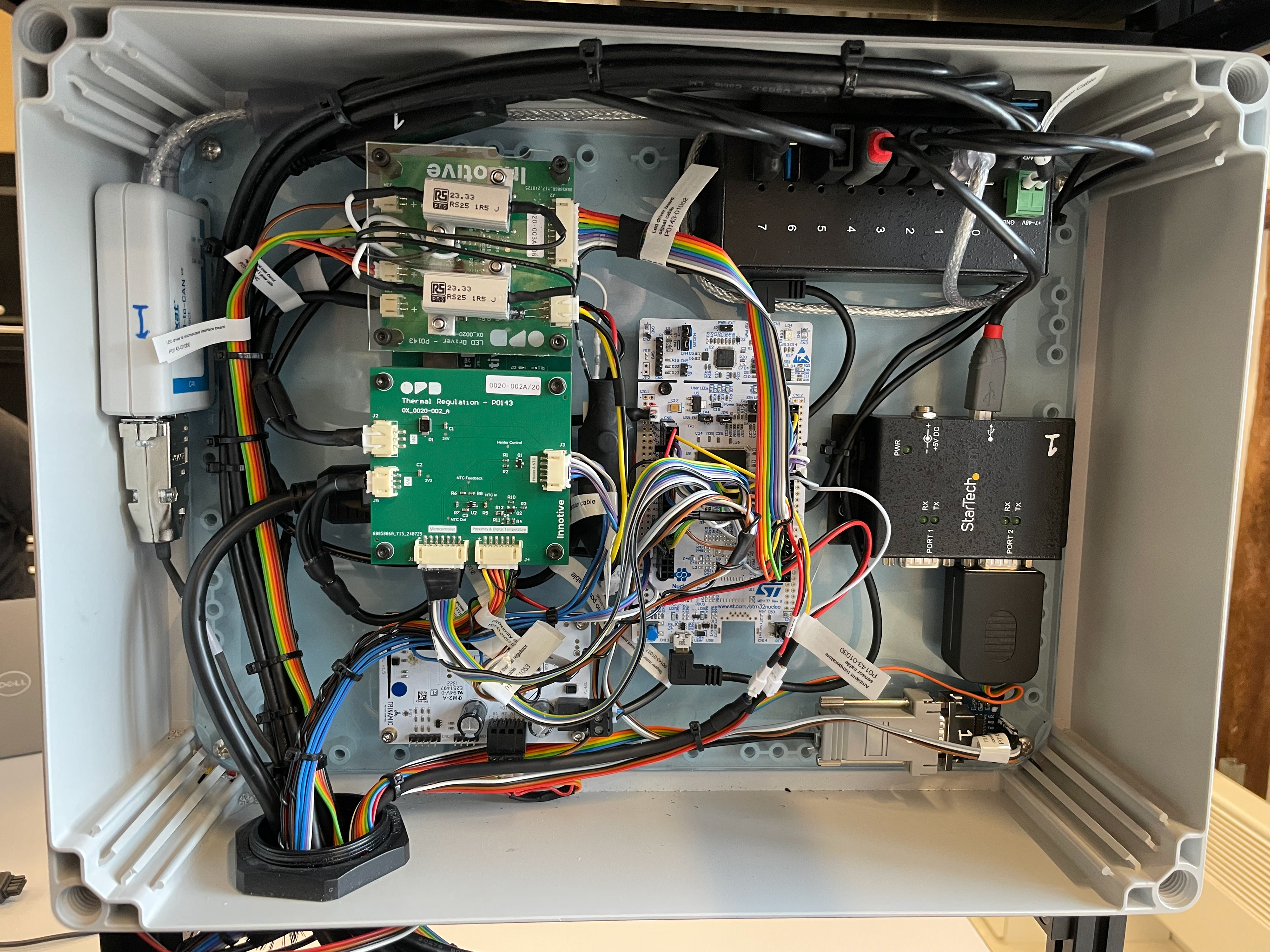
Wiring Harness
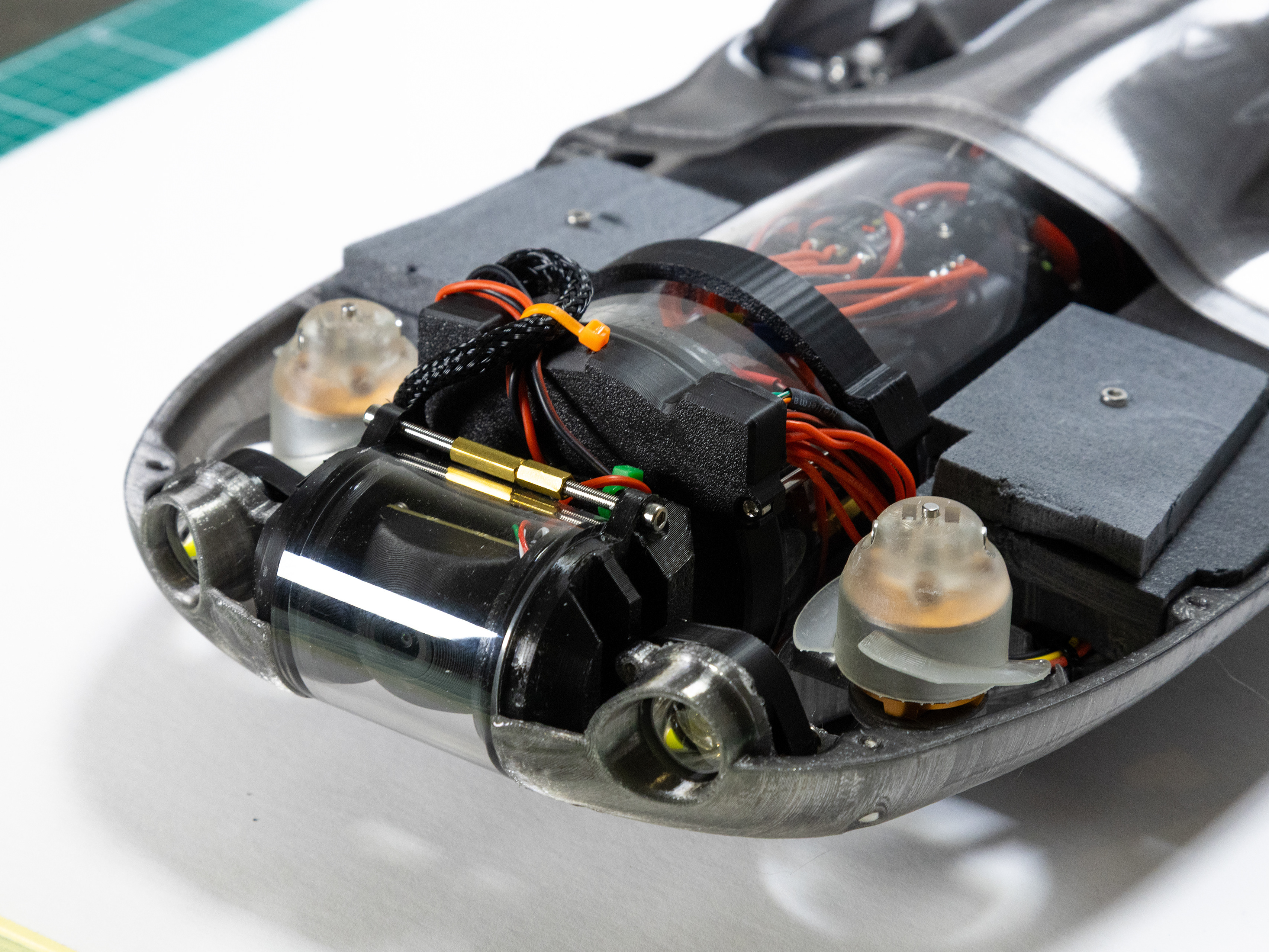
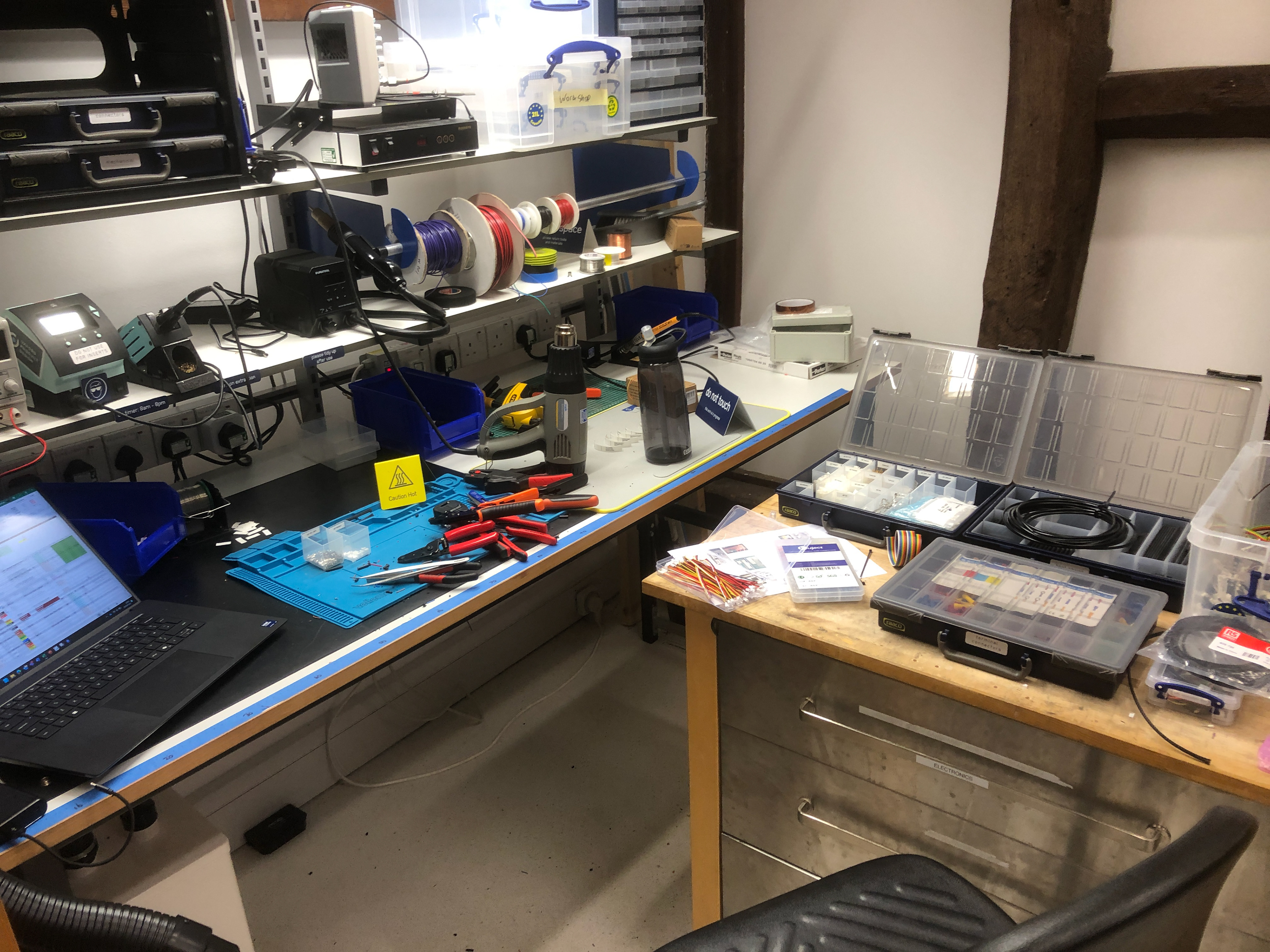
› Took ownership of wiring harness builds for four alpha-stage prototypes, supporting client delivery.
› Created detailed Excel documentation defining harness specifications, including wire gauge, terminations, and labelling for troubleshooting.
› Performed Quality control on sourced and assembled cables.
› Created detailed Excel documentation defining harness specifications, including wire gauge, terminations, and labelling for troubleshooting.
› Performed Quality control on sourced and assembled cables.
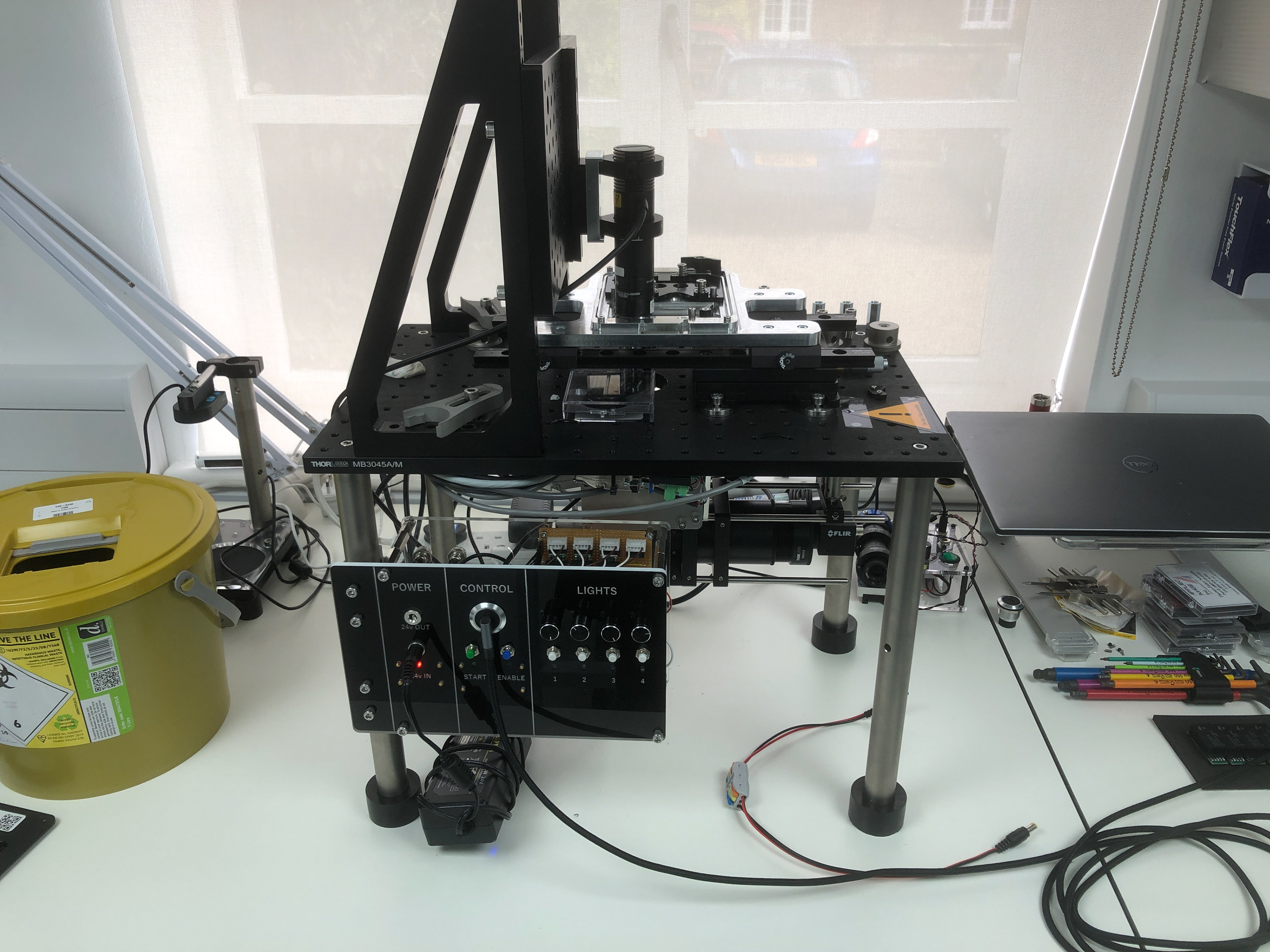
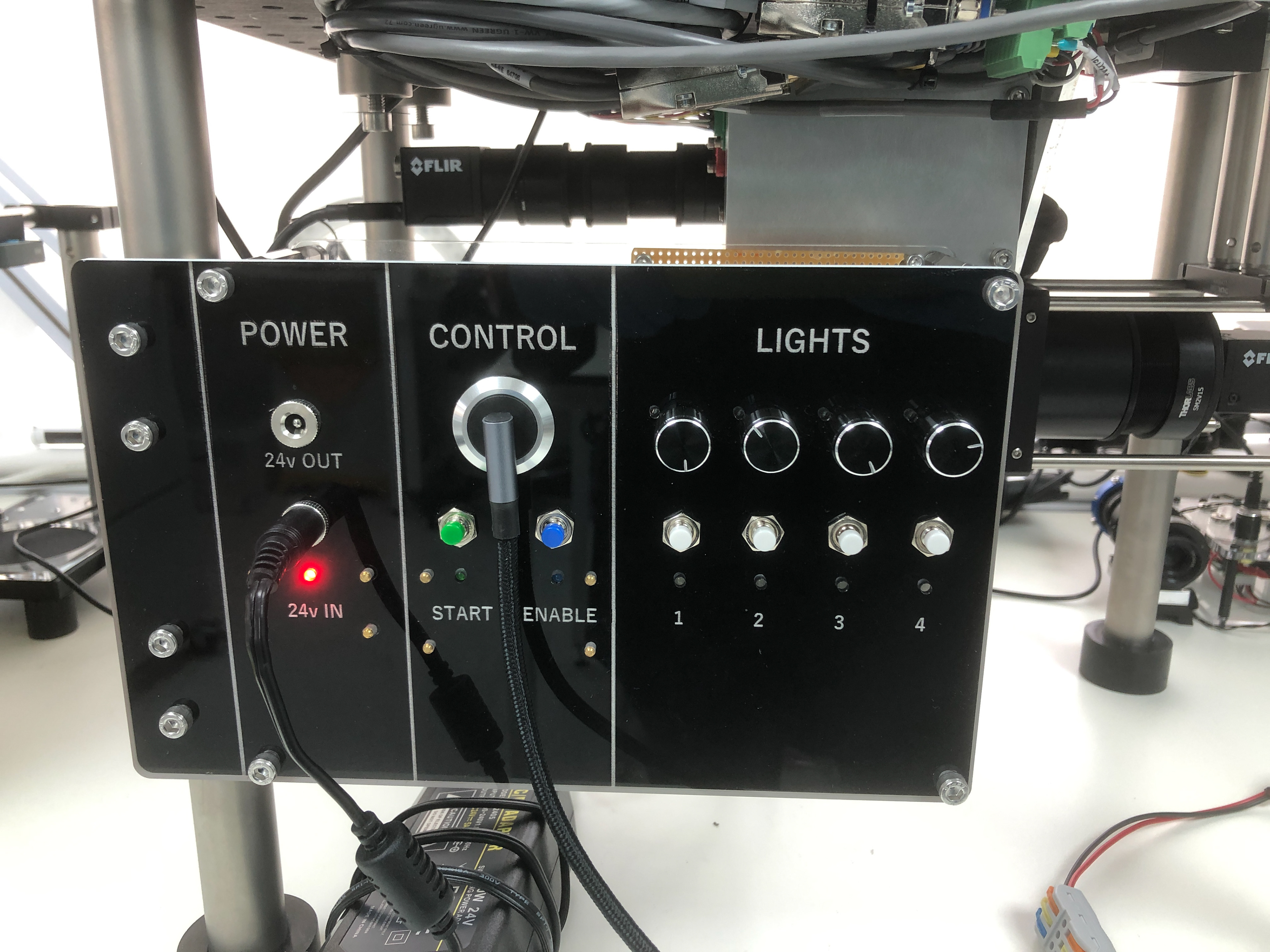
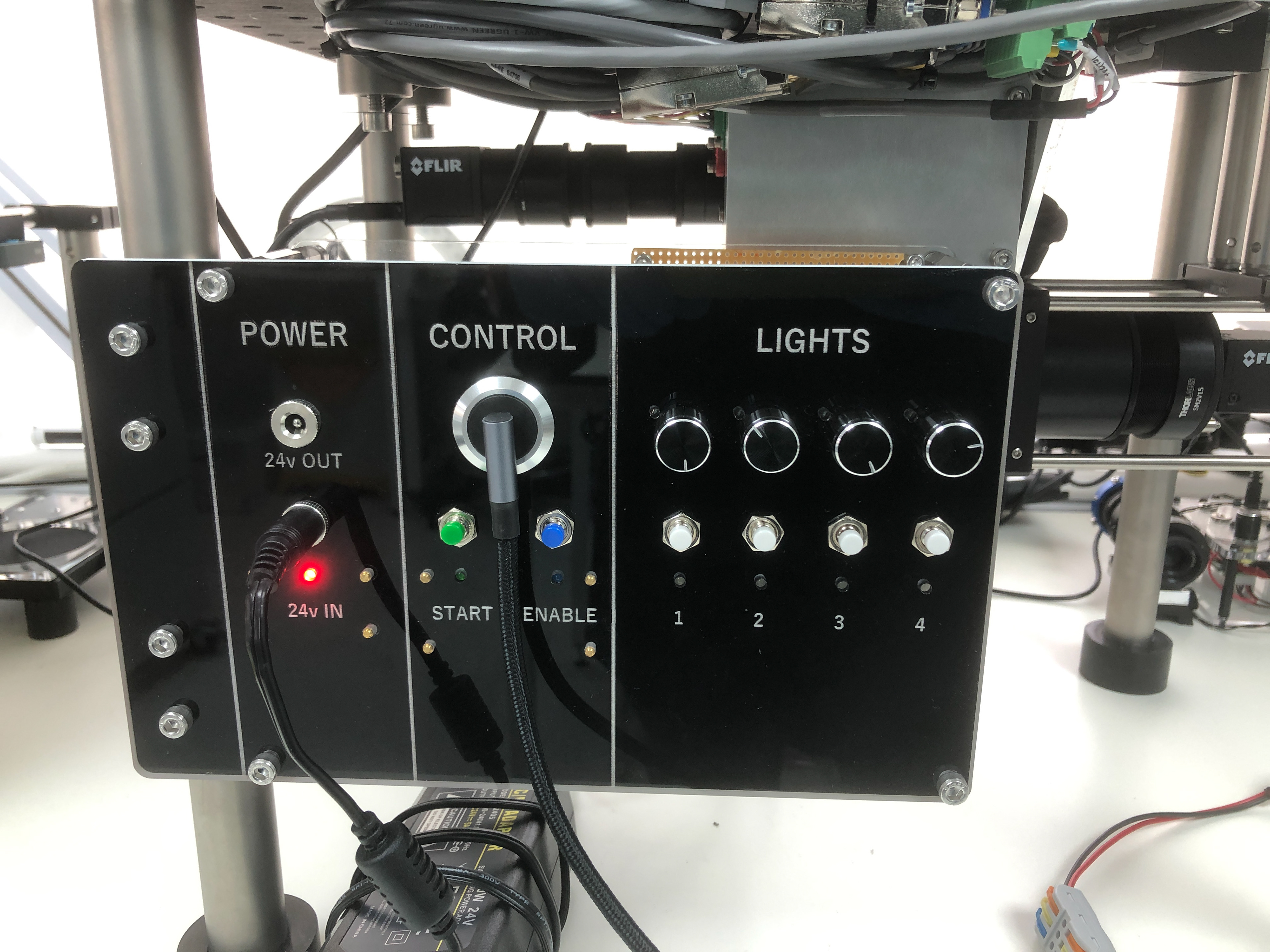
LED and Test Control Pannel
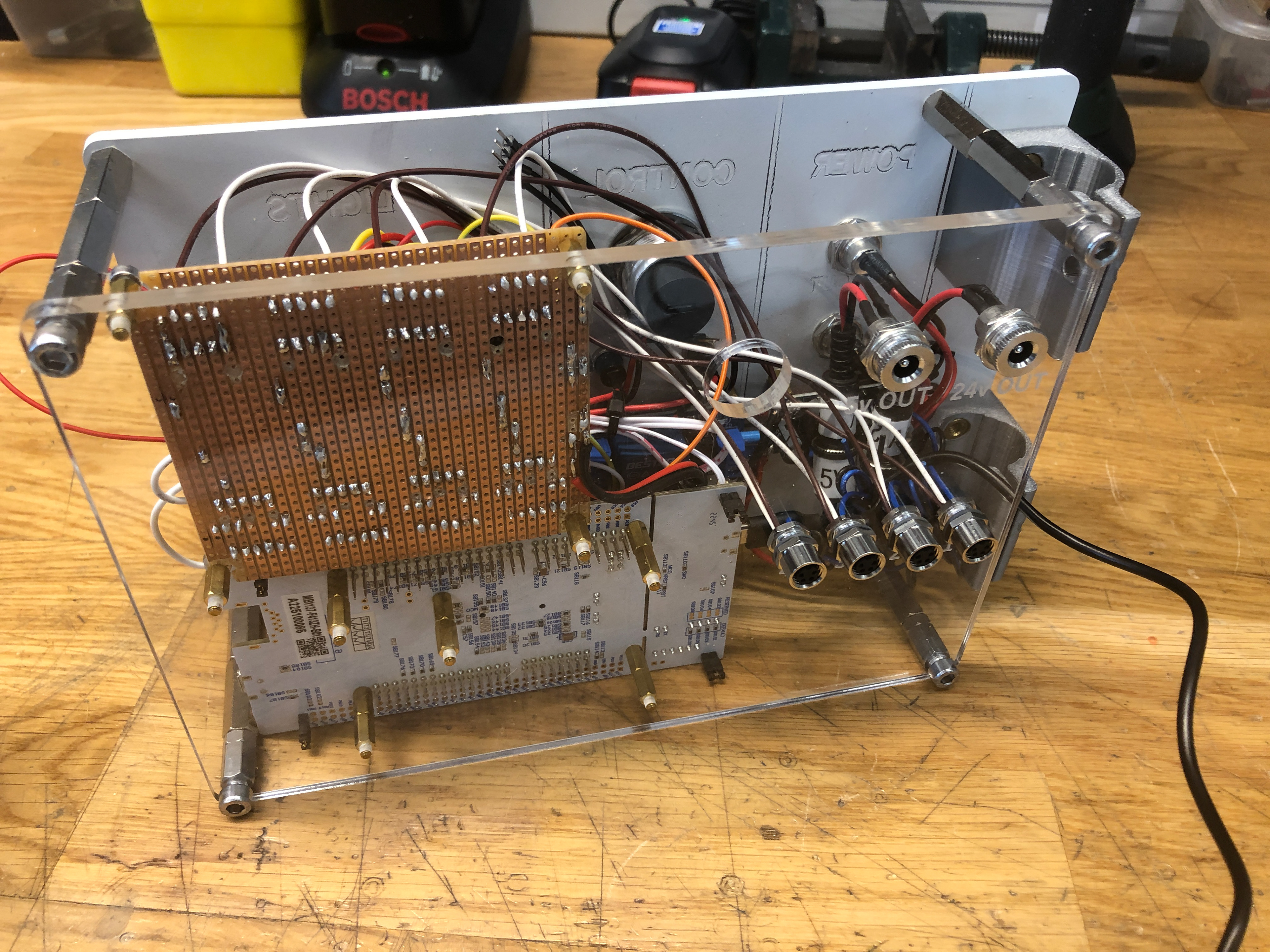
› Designed and built LED and test control panel for pre alpha development platform.
› LEDs were frequently swapped out so PCB was designed to easy replace LED drivers too.
› Made using PCB prototype board for the circuits, Nucleo for running tests and laser cutting for the housing.
› LEDs were frequently swapped out so PCB was designed to easy replace LED drivers too.
› Made using PCB prototype board for the circuits, Nucleo for running tests and laser cutting for the housing.